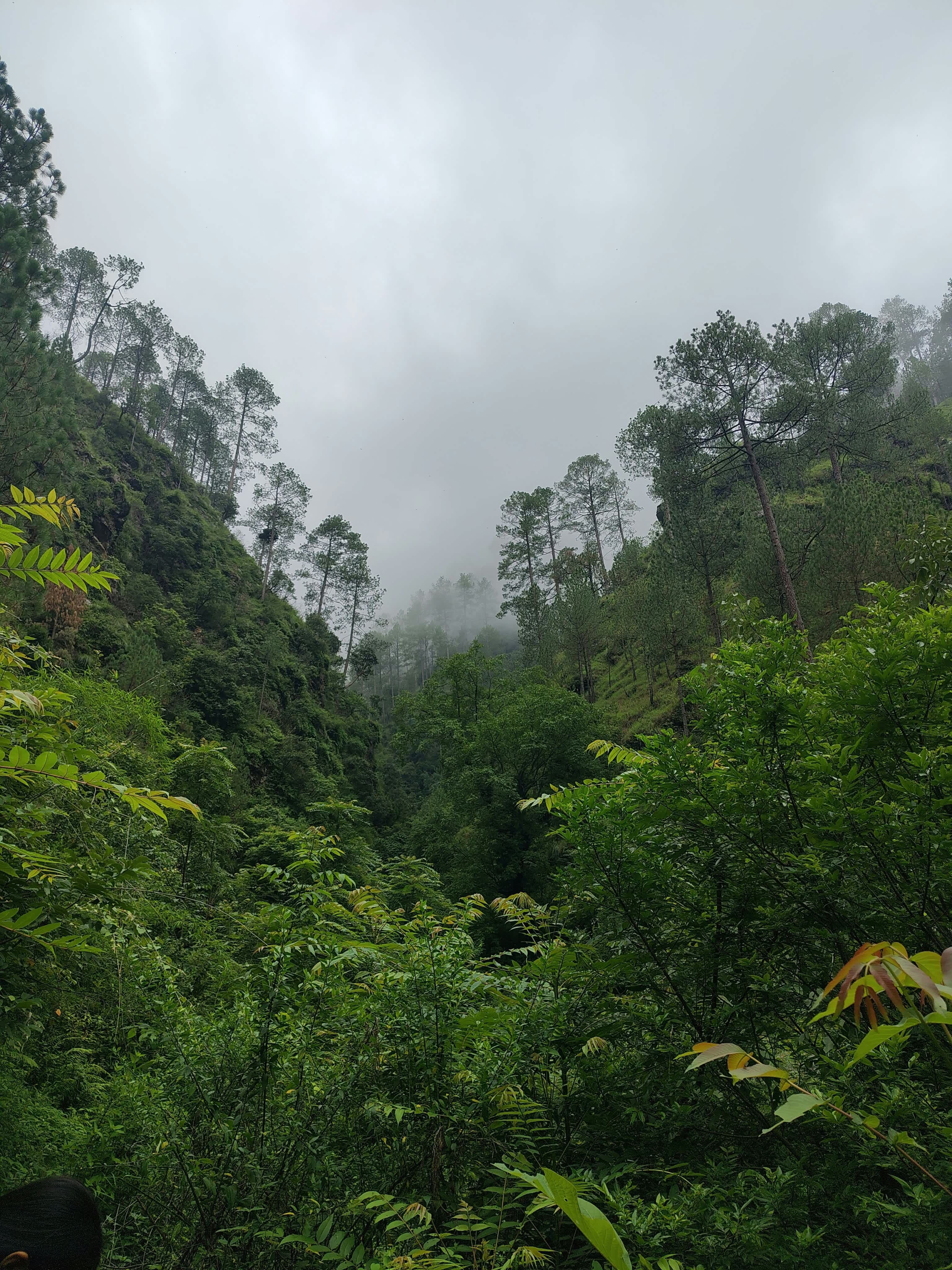
The Whispering Green: A Journey into Sinharaja
Deep in the wet-zone heart of Sri Lanka, Sinharaja Rainforest is a world where time seems to have stood still. Known as the 'Kingdom of the Lion,' this primeval sanctuary is defined by the 'Bird Wave'—a chaotic, beautiful rush of endemic species that sweeps through the mist-heavy canopy. It is a place for the slow traveler; someone willing to pull on leech socks, navigate muddy trails, and breathe in the scent of damp earth for the chance to see a Blue Magpie or a sleeping viper. Sinharaja doesn't reveal its secrets easily, but for those who listen, it offers the purest experience of wild Sri Lanka.
The Whispering Green: A Journey into Sinharaja
If Yala is a high-octane drama of predators and prey, Sinharaja is a slow, deep meditation. Stepping into this UNESCO World Heritage forest isn't like visiting a park; it feels like stepping back into the Jurassic era. This is the last viable patch of primary lowland rainforest in Sri Lanka, a place where the trees are so tall and the canopy so thick that the ground exists in a perpetual, humid twilight.
The Phenomenon of the "Bird Wave"
The first thing you notice about Sinharaja isn't what you see, but what you hear. For long stretches, the forest can be eerily silent, save for the drip of condensation from a giant leaf. Then, suddenly, the air explodes with sound.
This is the famous "Mixed-Species Feeding Flock"—locally known as the "Bird Wave." Instead of foraging alone, dozens of different species travel together for protection and efficiency. You’ll hear the noisy chatter of the Orange-billed Babblers and the metallic whistle of the Greater Racket-tailed Drongo. If you’re lucky, you’ll see the electric flash of a Sri Lanka Blue Magpie or the deep crimson of a Red-faced Malkoha through the mist. It lasts for ten minutes, a whirlwind of feathers and calls, and then, as quickly as it began, the wave moves on and the forest settles back into its ancient silence.
The Leech Tax and the Living Floor
Let’s be honest: you cannot talk about Sinharaja without talking about leeches. They are the gatekeepers of the forest. You’ll find yourself wearing "leech socks"—thick, knee-high fabric bags—smeared with soap or lemon oil. It’s a bit of a local rite of passage.
But if you look past your ankles, the forest floor is a masterpiece. Moss covers every fallen log like green velvet, and strange, carnivorous pitcher plants hide in the shadows. Unlike the dry-zone parks, you don't stay in a jeep here. You walk. You feel the damp earth under your boots and the heavy, oxygen-rich air in your lungs. You might spot a Green Pit Viper draped over a branch like a piece of living jewelry or a Purple-faced Langur watching you from the heights, its white beard standing out against the dark leaves.
A Kingdom of Shadows
The name Sinharaja translates to "Kingdom of the Lion," based on a legend that the Sinhalese people originated from a lion that lived in these woods. While the lions are long gone, the "kings" of today are the giant trees—some towering 45 meters high—that have stood since before the first human set foot on the island.
Many of the guides here are from the local villages. They have an uncanny ability to spot a camouflaged hump-nosed lizard from twenty yards away. They might tell you about "Kithul" sap—a sweet nectar they harvest from the palms within the forest to make jaggery (traditional sugar). Their connection to the forest is a reminder that Sinharaja isn’t just a "site" to be seen; it’s a living, breathing lungs of the island.
If You Go
Sinharaja is beautiful but demanding. Here is the "real talk" on visiting:
| Essential | Why it Matters |
|---|---|
| The Entrance | Kudawa (North) is easier for birding; Pitadeniya (South) is better for waterfalls. |
| Footwear | Sturdy, waterproof boots. The trails are slippery, muddy, and often steep. |
| The Kit | Bring a raincoat (it’s a rainforest, after all) and salt/citronella for the leeches. |
| The Vibe | Don't come looking for "The Big Five." Come for the insects, the ferns, and the mist. |
Sinharaja is a place that makes you feel very small, and in our busy world, that is a rare and beautiful gift.