The Chaos and the Calm: A Traveler’s Guide to Colombo
Often overlooked in favor of the island’s beaches and tea estates, Colombo is a vibrant mosaic of old-world charm and futuristic ambition. From the sensory explosion of the Pettah markets and the 'candy-striped' Red Mosque to the serene, floating shrines of Beira Lake, the capital is a city of hidden layers. Whether you are chasing the perfect sunset at Galle Face Green or exploring the quiet courtyards of Geoffrey Bawa’s architecture, Colombo offers a deep, authentic dive into the soul of modern Sri Lanka.
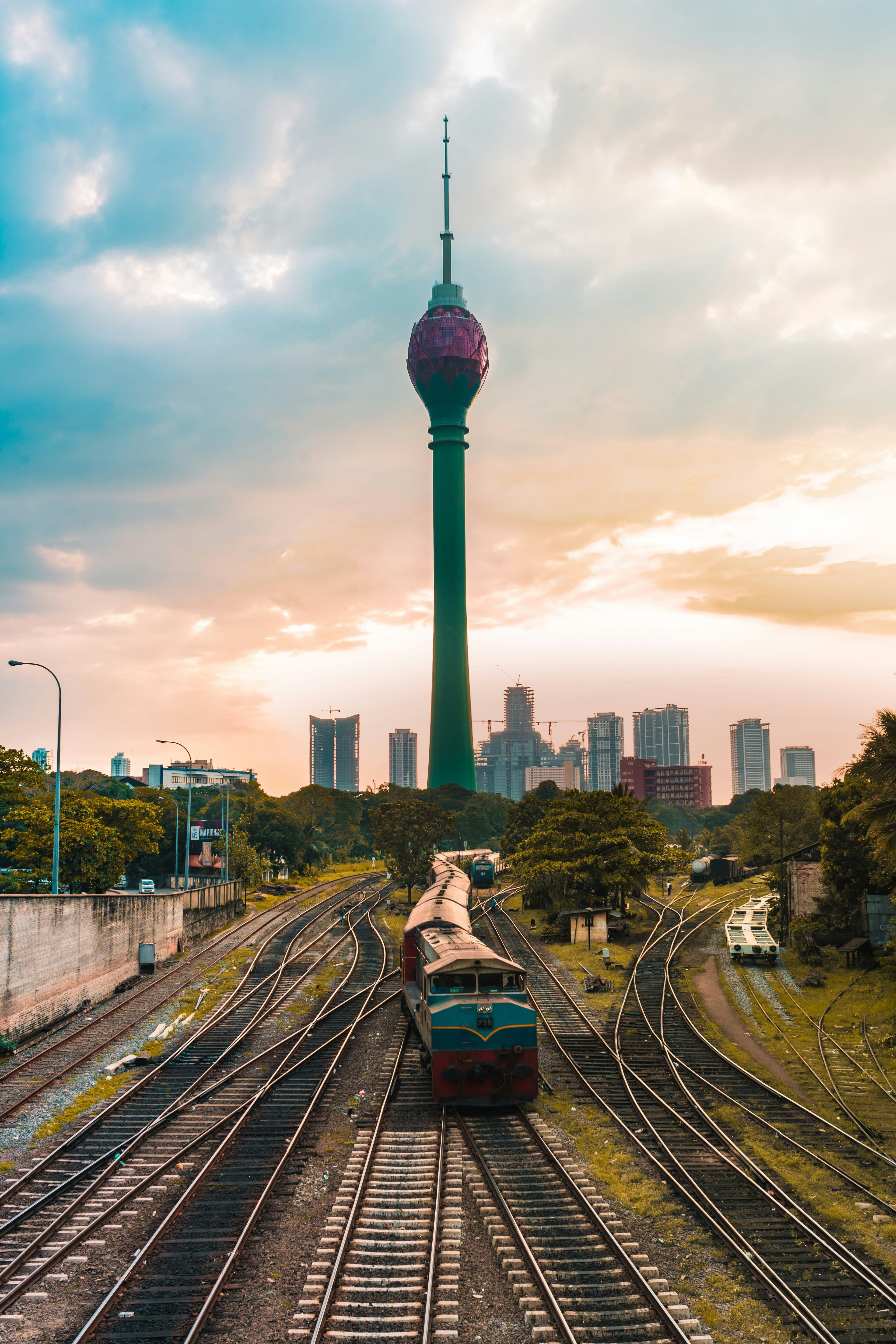
For many travelers, Colombo is simply the gateway—the place where you land, adjust your watch, and quickly board a train for the hills or the coast. But to skip Colombo is to miss the heartbeat of modern Sri Lanka. It is a city of startling contrasts: where sleek, glass-fronted skyscrapers like the Lotus Tower shadow red-tiled colonial remnants, and where the frantic energy of a street market can give way to the profound silence of a lakeside temple in just a few blocks.
The Soul of the Capital
Colombo isn't a city that reveals its beauty at first glance. It requires you to dive in. The best way to start is in Pettah, the city's oldest district. This isn't a "sight" in the traditional sense; it’s an experience. The air here is thick with the scent of roasted spices and dried fish. Every street specializes in something different—one for textiles, one for gold, another for electronics. Amidst this frenzy stands the Jami Ul-Alfar Mosque (the Red Mosque), a candy-striped architectural wonder that looks like something out of a dream.
When the chaos becomes too much, the city offers its "calm." Gangaramaya Temple, near the Beira Lake, is a fascinating eclectic mix of Buddhist, Thai, and Indian architecture. Just a short walk away is the Seema Malaka, a smaller, minimalist shrine designed by the legendary architect Geoffrey Bawa. Floating on the water, it is one of the most peaceful spots in the city to watch the sunset as the skyline begins to glow.
The Hidden Gems
Beyond the famous landmarks, Colombo hides treasures that feel like secret retreats:
- No. 11 (Geoffrey Bawa’s House): For those who appreciate design, the private residence of Sri Lanka’s most famous architect is a masterclass in "tropical modernism." It is a labyrinth of light, shadow, and inner courtyards.
- Barefoot Gallery & Cafe: Located on Galle Road, this is a cultural hub. You can browse hand-loomed fabrics and then sit in the quiet, tree-shaded courtyard for a ginger beer and a slice of quiche.
- Kelaniya Raja Maha Vihara: Located about 10km from the city center, this temple is said to have been visited by the Buddha himself. The murals here are widely considered some of the finest in the country.
The Foodie’s Corner: From Street to Suite
Colombo is the culinary capital of the island. You haven't truly visited until you’ve eaten your way through it.
- Galle Face Green: As evening falls, this seaside promenade fills with families and smoke from street food stalls. You must try Isso Wade—savory lentil cakes topped with crispy prawns—best enjoyed while the sea breeze cools the humid air.
- The Dutch Hospital: A beautifully restored 17th-century building that now houses some of the city’s best restaurants, including the world-renowned Ministry of Crab.
- Upali’s by Nawaloka: If you want authentic "Rice and Curry" that tastes exactly like a home-cooked meal, this is the place to be.
Practical Tips for the Urban Explorer
Navigating Colombo is an art form. Here are a few "Sanchare Secrets" to keep you moving:
| Feature | Details |
|---|---|
| Getting Around | Use PickMe or Uber apps for tuk-tuks to ensure a fair, metered price. |
| Safety First | Colombo is generally safe, but be wary of overly friendly strangers offering "special gem tours"—they are almost always scams. |
| Best Time to Visit | December to March offers the best weather (less rain). |
| Dress Code | While Colombo is more modern than the hills, you still need to cover shoulders and knees when visiting temples. |
Colombo is a city that rewards the curious. It’s a place where you can have high tea in a colonial ballroom in the afternoon and eat spicy kottu on a street corner at midnight. It is the perfect introduction to the complexity and warmth of Sri Lanka.