Safari Guide: Best National Parks for Wildlife in Sri Lanka in 2026
Sri Lanka offers some of the best wildlife safaris in Asia, from leopard tracking in Yala to elephant encounters in Udawalawe and Minneriya. This 2026 safari guide highlights the best national parks, what animals you can see, and when to visit, helping travelers choose the right wildlife experience for their journey.
Sri Lanka may be a small island, but when it comes to wildlife, it punches far above its weight. Within a few hours of driving, you can spot leopards, elephants, sloth bears, crocodiles, and hundreds of bird species — all in their natural habitats.
If you’re planning a wildlife-focused trip, this Sri Lanka safari guide for 2026 breaks down the best national parks, what you can see in each, and when to visit for the best experience.
Yala National Park – Best for Leopards
Location: Southern Sri Lanka Best time to visit: February to July
Yala National Park is Sri Lanka’s most famous safari destination and is known for having one of the highest leopard densities in the world. The landscape is dry, open, and dotted with rocky outcrops, making wildlife easier to spot.
What you can see:
- Leopards
- Elephants
- Sloth bears (seasonal)
- Crocodiles and monitor lizards
Things to know:
- Can be crowded during peak season
- Early morning safaris offer the best sightings
- Block closures sometimes rotate for conservation
Best for: First-time safari travelers and big cat enthusiasts
Wilpattu National Park – Quiet & Untouched Wilderness
Location: North-West Sri Lanka Best time to visit: February to October
Wilpattu is Sri Lanka’s largest national park and feels far more remote than Yala. It’s famous for its natural lakes, known as villus, and its peaceful safari experience.
What you can see:
- Leopards
- Sloth bears
- Deer and wild boar
- Rich birdlife
Why choose Wilpattu:
- Fewer vehicles
- More natural, slow-paced safaris
- Ideal for photographers and nature lovers
Minneriya & Kaudulla – Elephant Gathering Experience
Location: Cultural Triangle Best time to visit: July to October (peak gathering)
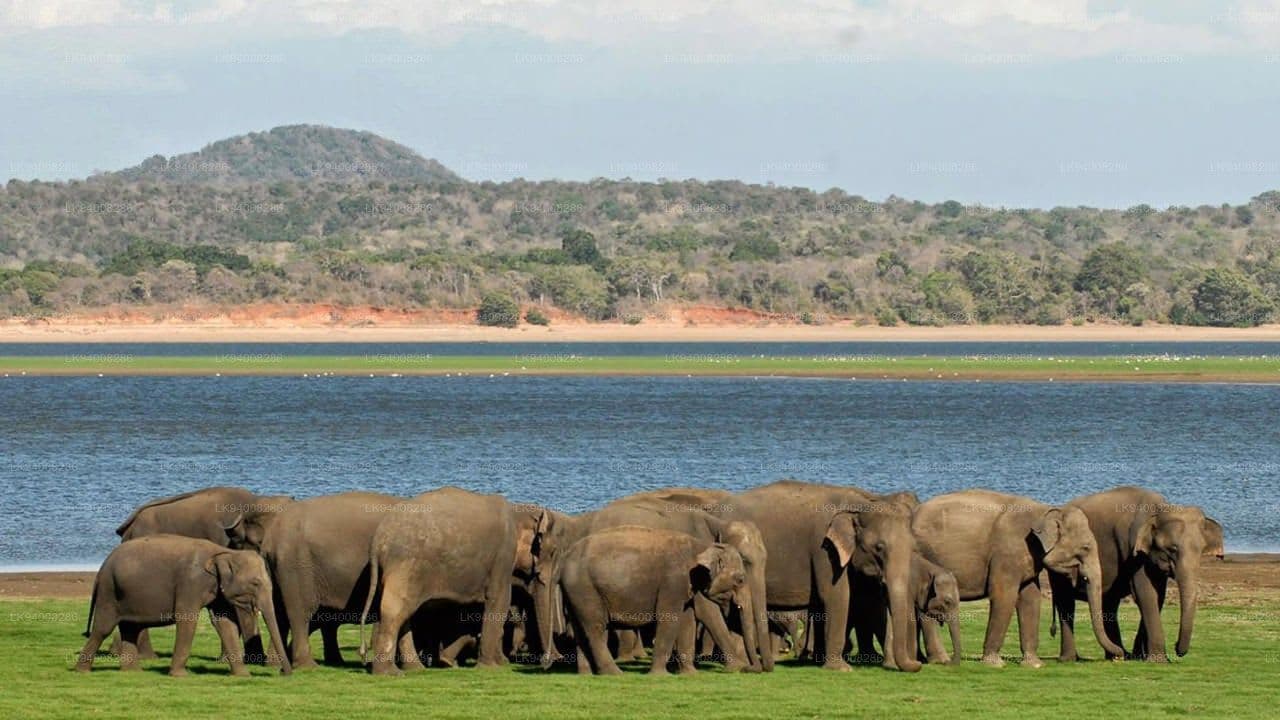
These parks are world-famous for the elephant gathering, where hundreds of wild elephants congregate around shrinking water sources during the dry season.
What makes it special:
- Large herds of elephants in open grasslands
- Excellent visibility
- Family-friendly safari experience
Tip: During non-peak months, elephants move between Minneriya, Kaudulla, and Eco Park depending on water availability.
Udawalawe National Park – Best for Elephants
Location: Southern Sri Lanka Best time to visit: Year-round
Udawalawe is one of the most reliable parks for elephant sightings. The open terrain and large reservoir make wildlife spotting easy, even on short safaris.
Wildlife highlights:
- Large elephant herds
- Water buffalo
- Jackals and deer
- Birds of prey
Best for: Families, short safaris, travelers heading to or from the south coast
Kumana National Park – Paradise for Bird Lovers
Location: Eastern Sri Lanka Best time to visit: April to July
Adjacent to Yala, Kumana is less about big mammals and more about birds and wetlands. During nesting season, thousands of birds gather here.
Highlights:
- Painted storks
- Pelicans
- Herons and egrets
- Quiet, scenic safaris
Best for: Birdwatchers and slow travelers
Which National Park Should You Choose?
| Interest | Best Park |
|---|---|
| Leopards | Yala / Wilpattu |
| Elephants | Udawalawe / Minneriya |
| Fewer crowds | Wilpattu |
| Birds | Kumana |
| Short safari | Udawalawe |
Safari Tips for Sri Lanka in 2026
- Choose early morning or late afternoon safaris
- Avoid peak hours if possible
- Respect wildlife — no feeding or noise
- Use experienced drivers and guides
- Carry water, sun protection, and binoculars
Final Thoughts
A safari in Sri Lanka is not about chasing animals — it’s about entering their world quietly. Whether you’re tracking leopards in Yala, watching elephants gather in Minneriya, or exploring the quiet lakes of Wilpattu, each national park offers a different story.
In 2026, Sri Lanka remains one of the best destinations in Asia for ethical, accessible wildlife experiences.