A Local’s View: Exploring Sri Lanka’s Northern Roads and Hidden Beaches
Northern Sri Lanka offers a quieter, more reflective travel experience shaped by open roads, resilient communities, and untouched coastlines. From the cultural rhythm of Jaffna to hidden beaches like Casuarina and the raw landscapes of Delft Island, this local perspective explores a side of Sri Lanka that rewards slow, respectful travel.
Northern Sri Lanka isn’t loud about its beauty. It doesn’t chase attention or compete with the south’s famous beaches. Instead, it waits — quietly — for travelers who are willing to slow down, drive a little further, and listen.
This is a journey shaped by open roads, resilient communities, and coastlines that still feel untouched. Seen through local eyes, the north is not just a destination; it’s a feeling of space, simplicity, and quiet rediscovery.
The Road North – More Than Just a Drive
Driving north from the central regions or Colombo, the scenery slowly changes. Traffic thins out. Roads stretch longer. Towns feel less hurried.
This journey matters. The road itself becomes part of the experience — passing lagoons, palmyrah trees, quiet villages, and roadside tea shops where conversations matter more than speed.
Local truth: In the north, travel isn’t rushed. You arrive when you arrive.
Jaffna Peninsula – Culture, Food, and Everyday Life
Jaffna is often described as different — and it is. But not in a way that feels unfamiliar. The pace is slower, the food bolder, and daily life more rooted in tradition.
What stands out:
- Early morning markets
- Bicycles instead of traffic jams
- Temples and kovils woven into daily routines
- Food that’s unapologetically spicy and soulful
The peninsula feels lived-in, not curated for tourists — and that’s its strength.
Casuarina Beach – Soft Sand, Fewer Footprints
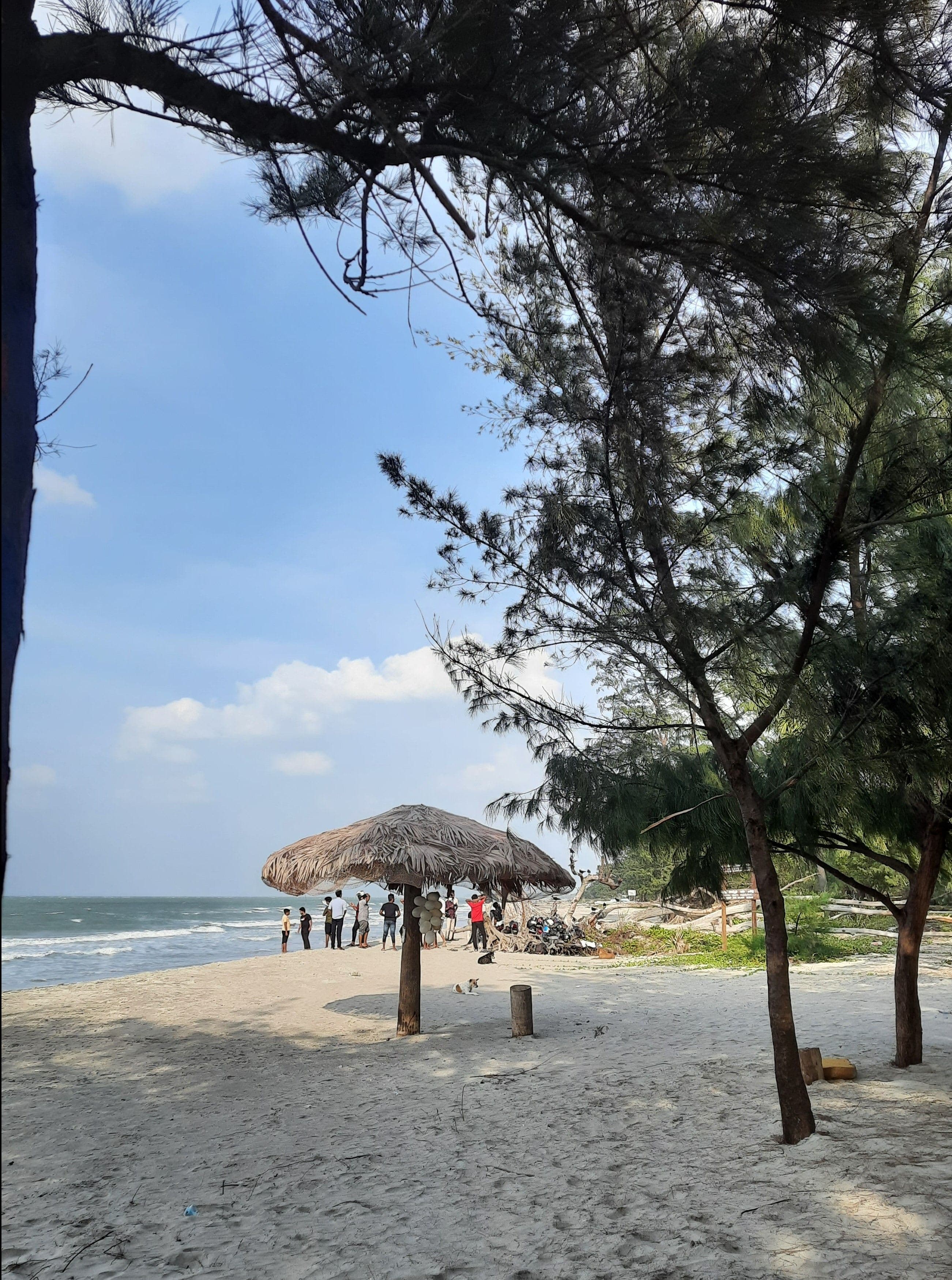
Located in Karainagar, Casuarina Beach is one of the north’s most loved beaches — yet it remains refreshingly quiet.
Why locals love it:
- Calm, shallow waters
- Soft white sand
- Peaceful atmosphere even on weekends
There are no big resorts here. Just sea breeze, families, and long afternoons that stretch gently into sunset.
Point Pedro – Standing at the Edge of the Island
Point Pedro feels symbolic. You’re standing at Sri Lanka’s northern edge, looking out at open water, with the wind carrying stories from across the sea.
This is not a beach for swimming — it’s a place for reflection. Fishermen mend nets, waves crash against rocky edges, and the horizon feels endless.
Local feeling: It’s less about what you do, more about what you feel.
Delft Island – Raw, Windy, and Unpolished
Delft Island isn’t comfortable — and that’s exactly why it’s special.
Reaching the island takes effort, patience, and flexibility. Once there, you’ll find:
- Wild ponies
- Coral stone fences
- Empty roads
- A sense of isolation that’s rare in modern travel
This is northern Sri Lanka at its most raw.
Why the North Feels Different
The north carries memory, resilience, and quiet strength. It doesn’t perform for visitors. It invites respect.
People are welcoming, curious, and proud of their land — but they value humility over spectacle.
Travel gently here. Dress respectfully, ask before photographing people, and take time to listen.
Best Time to Explore Northern Sri Lanka
The best months are May to September, when the north experiences drier weather and calm seas. Roads are easier, ferry services are more reliable, and beach days feel effortless.
Final Thoughts
Northern Sri Lanka isn’t about ticking attractions off a list. It’s about roads that feel open, beaches that feel private, and moments that feel real.
From the quiet rhythm of Jaffna to the windswept edges of Delft Island, the north offers something increasingly rare in travel — space to breathe.
If you’re willing to slow down, it gives you more than you expect.